Barangay Officials
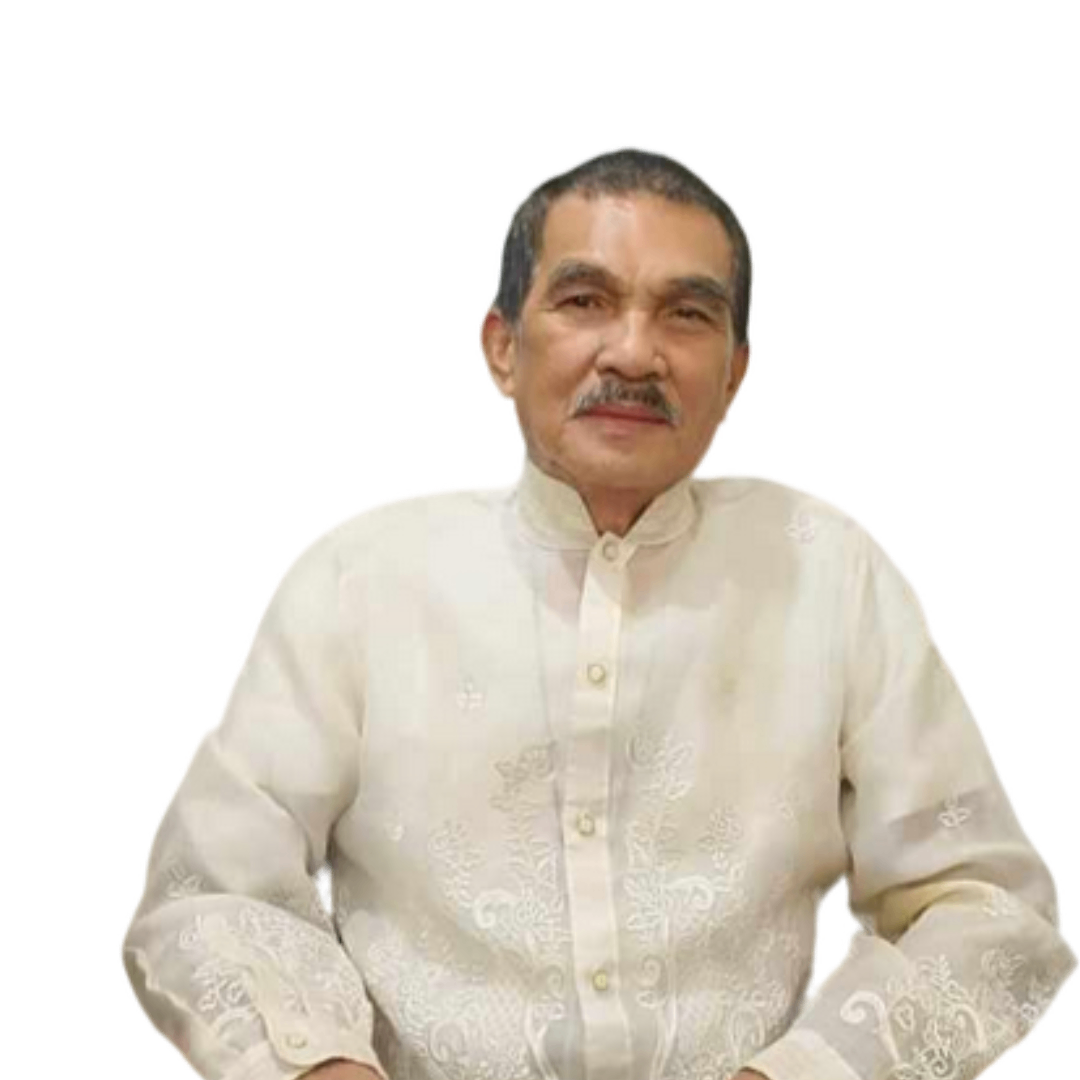
Rolando A. Dinglasan
Punong Barangay
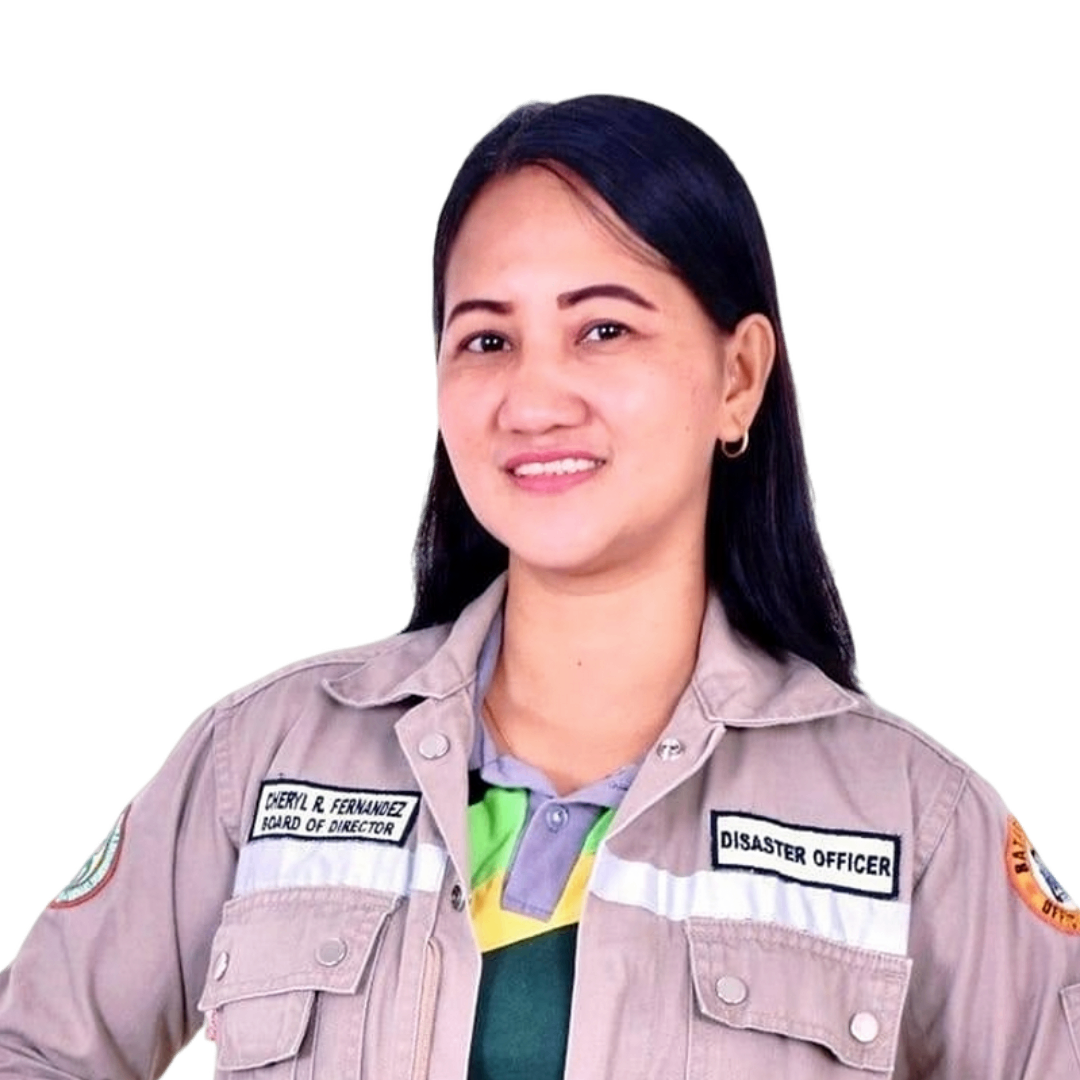
Cheryl R. Fernandez
Brgy. Kagawad
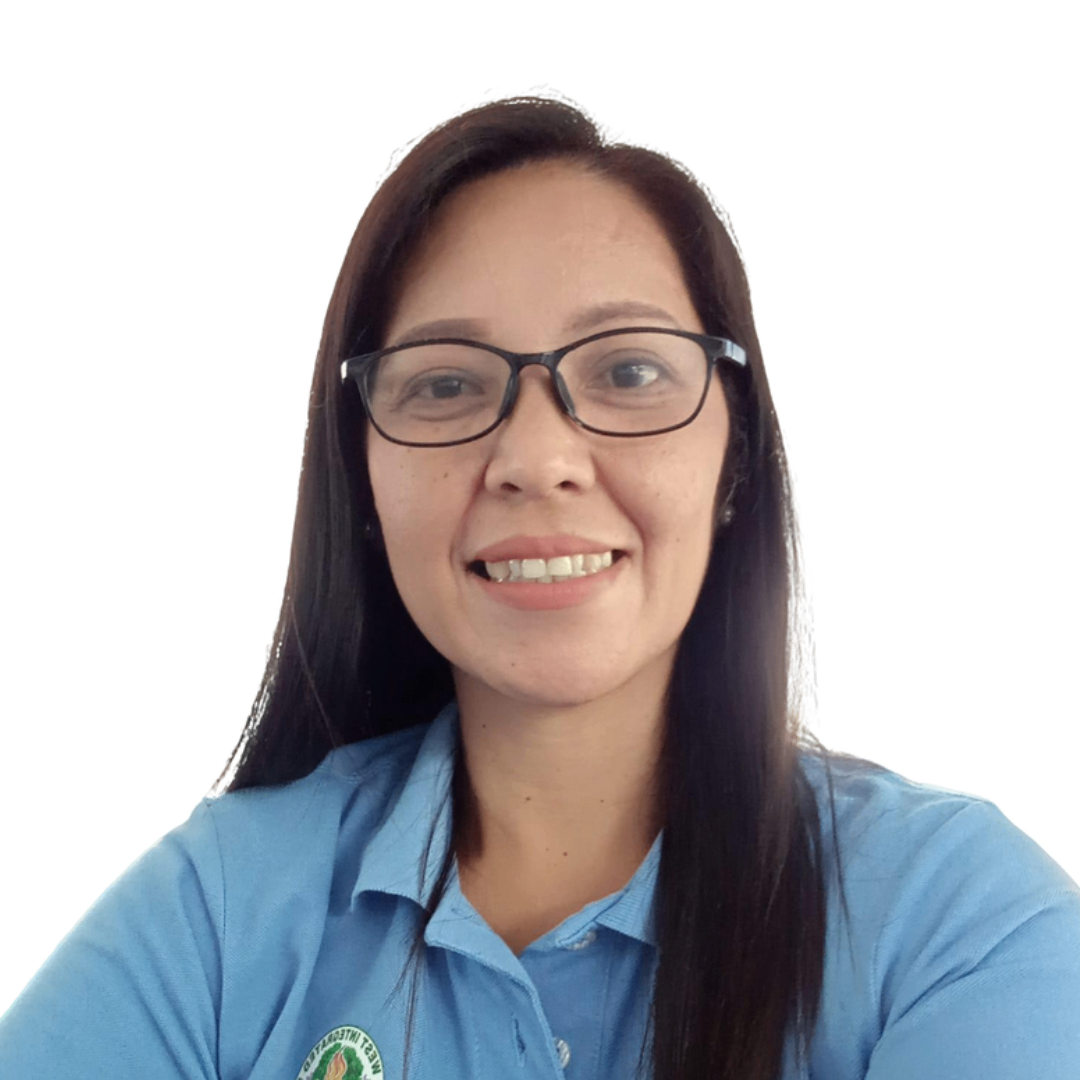
Helen C. Tubo
Brgy. Kagawad

Reymark M. Castillo
Brgy. Kagawad
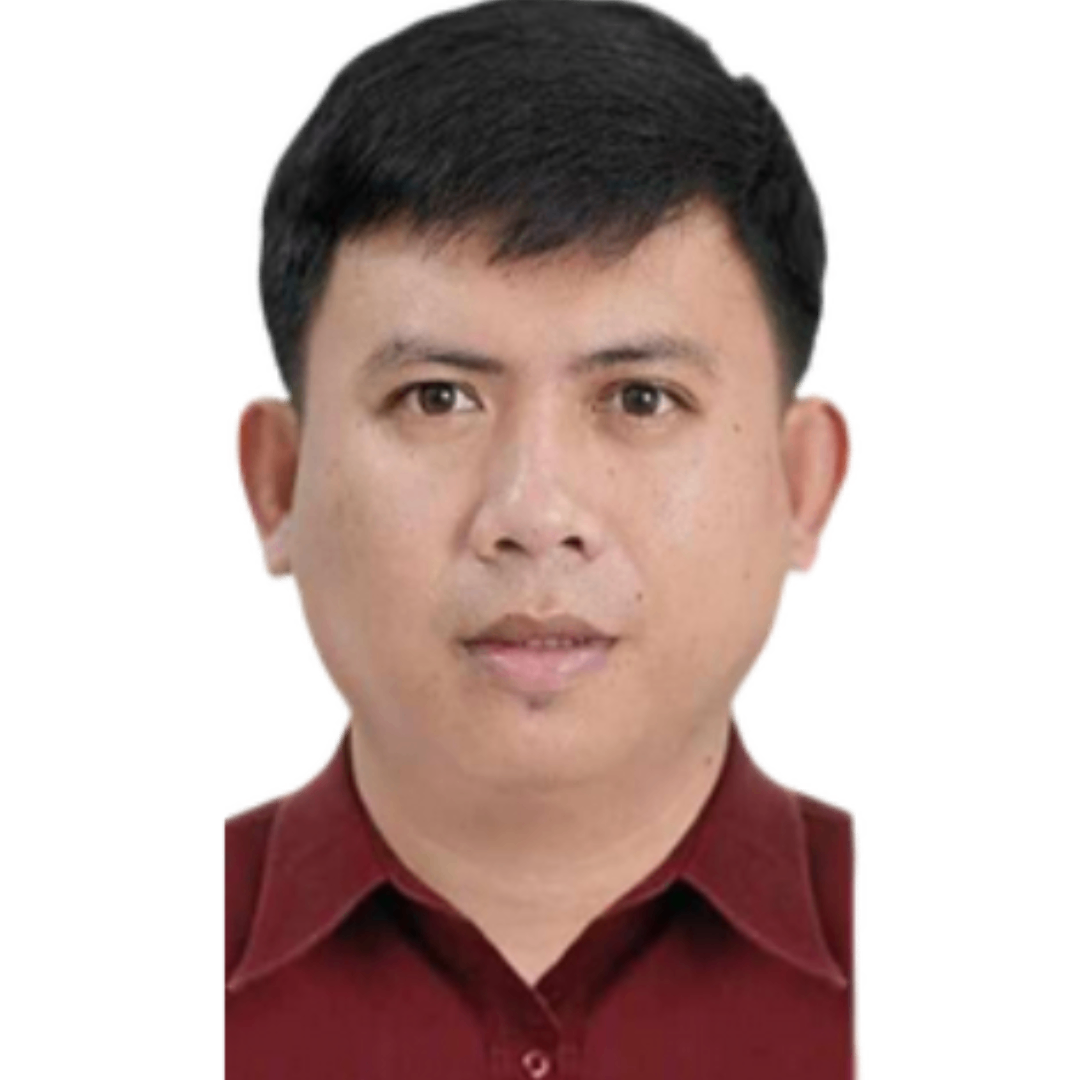
Kevin Ray H. Blanco
Brgy. Kagawad
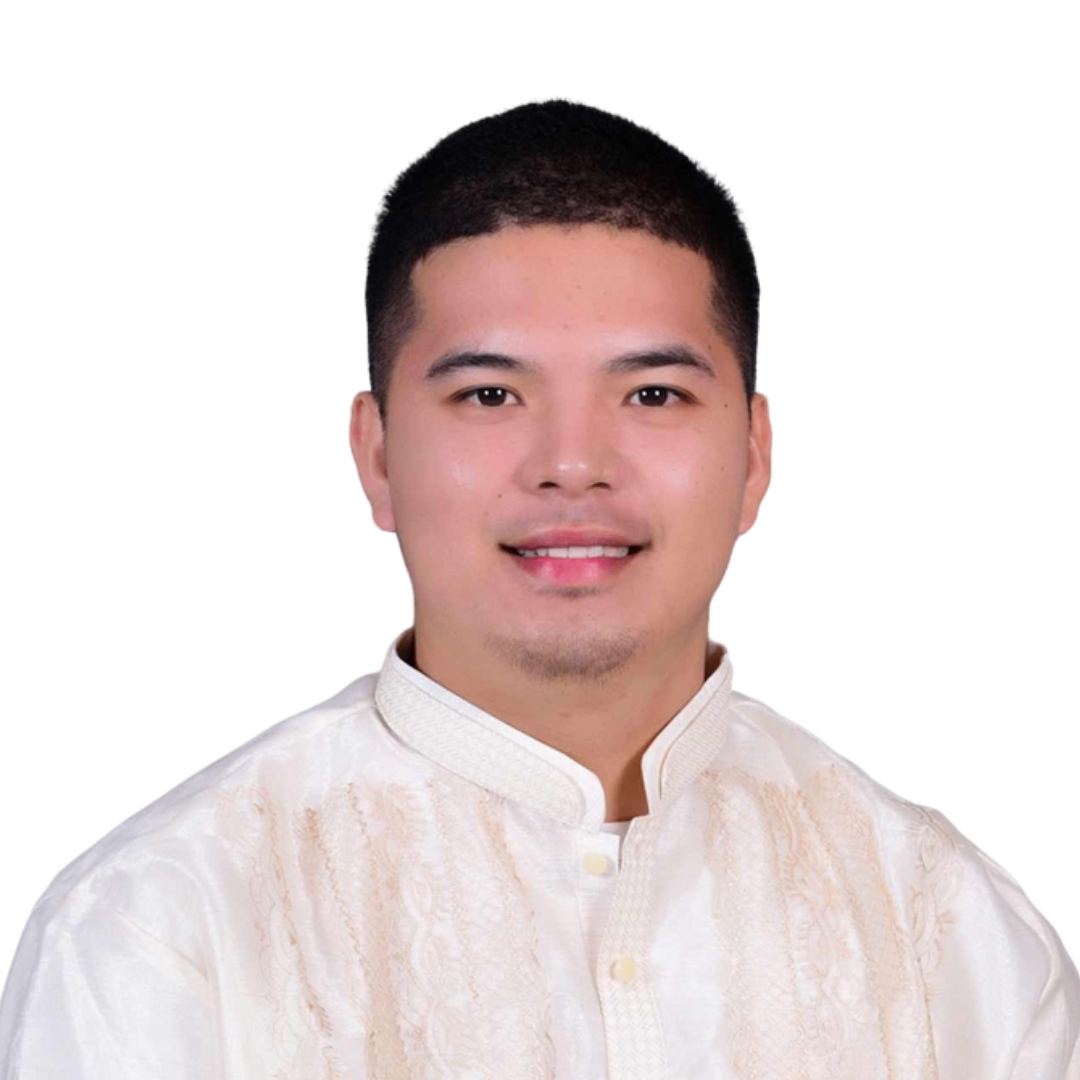
Joshua D. Macatangay
Brgy. Kagawad
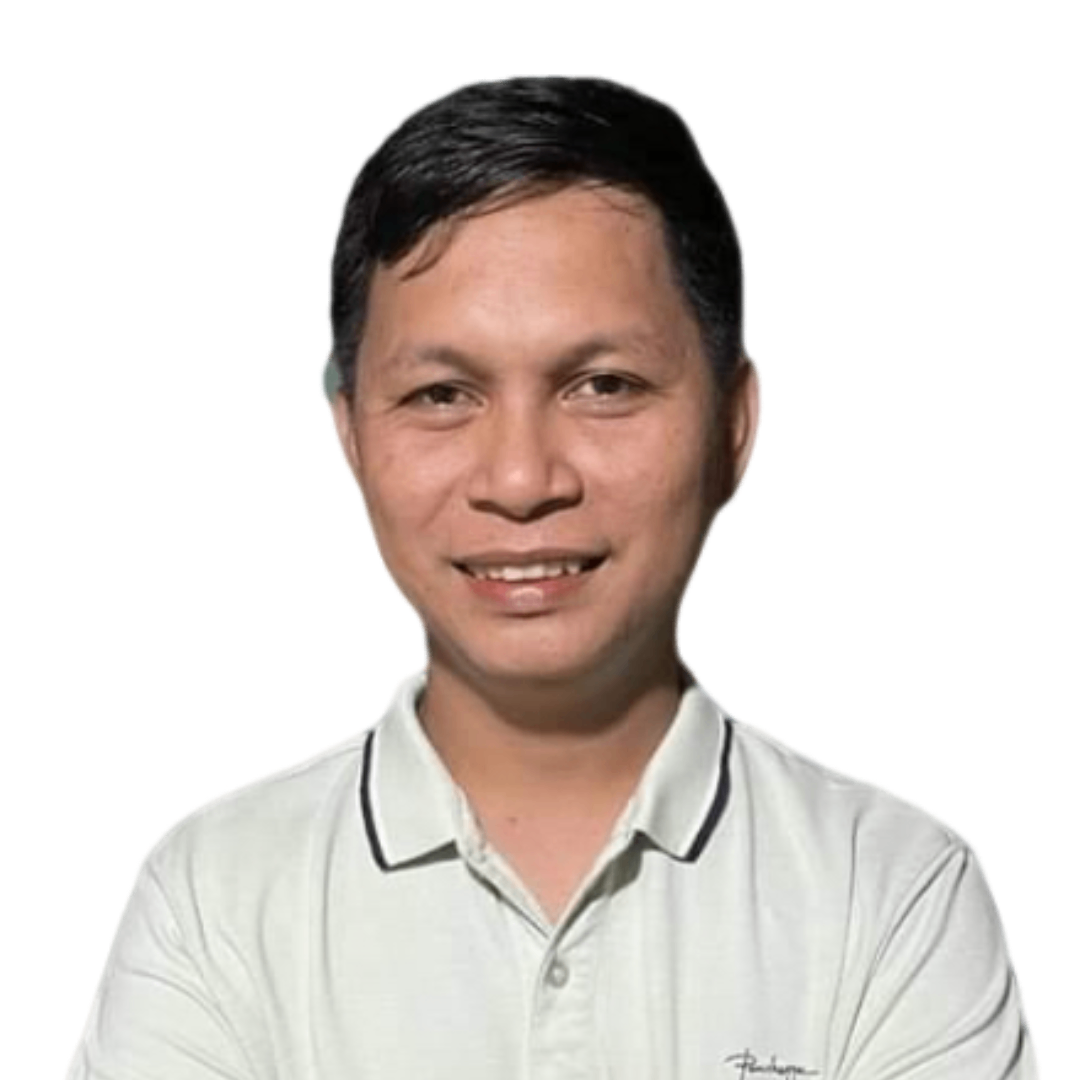
Arvijune R. Villamor
Brgy. Kagawad
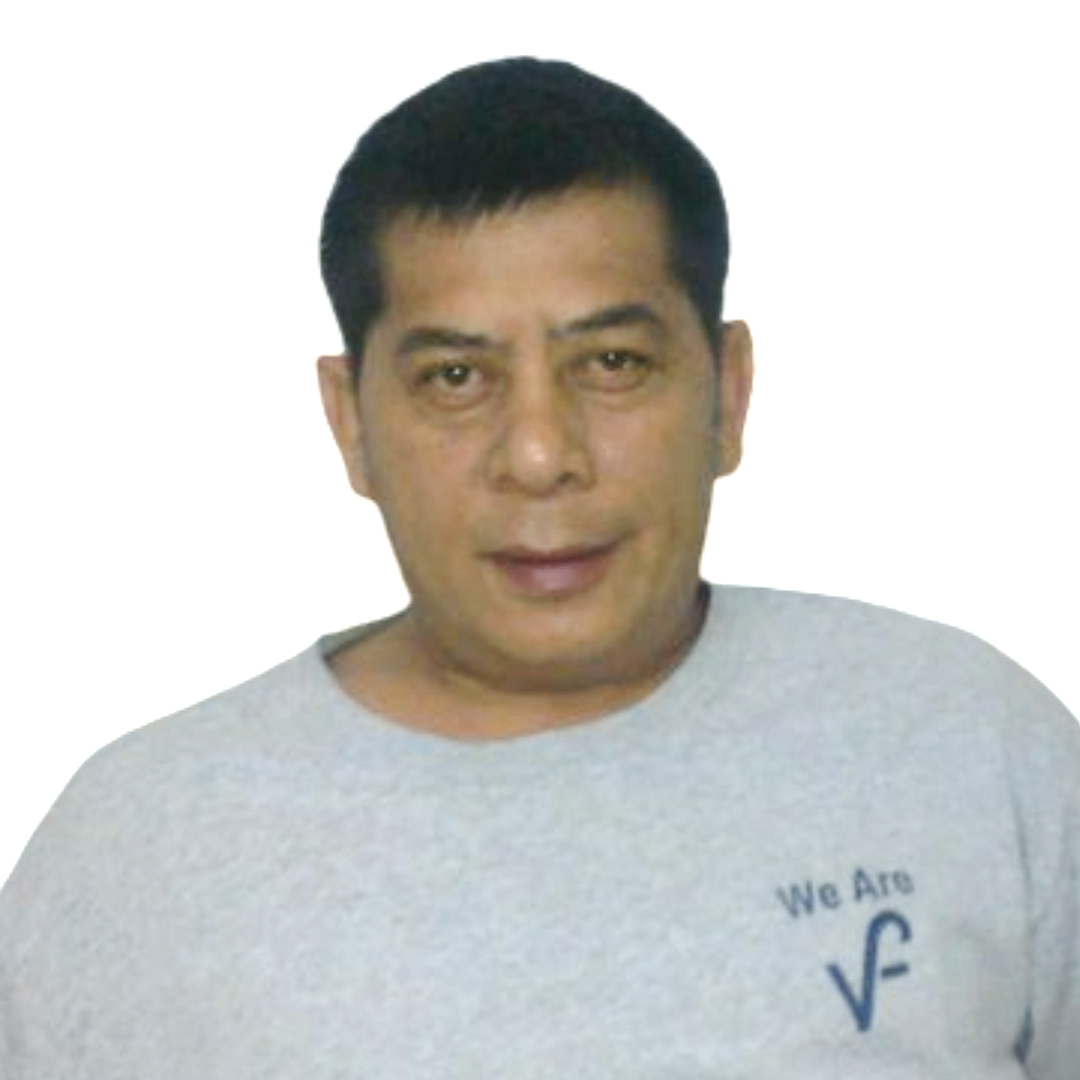
Isaac C. Blanco
Brgy. Kagawad
Physical & Demographic Characteristics
Land Area (has)
:117.7255
Projected Population 2024
:Male: 1450
Female: 1417
Total: 2867
Classification
:RURAL
Number of Purok/Sitios
:2
Boundaries
:North - Balete
South - Banaba Center
West - Kaingin San Pascual
East - Bulihan Balete
Mission
Ang misyon ay and landas na tatahakin upang marating ang pinapangarap na pananaw.
- Maiangat ang antas ng pamumuhay ng mga mamayan at mapanatili ang isang mapayapang pamayanan.
- Sugpuin ang lubos na kahirapan sa pamamagitan ng pagtutulungan at edukasyon.
Vision
Ang pananaw ay ang kalagayang nais matamong barangay na hinaharap. Dito nakapaloob ang aspirasyon ng mga mamayang pinag buklod ng iisang adhikain.
"Isang Barangay na may maka-Diyos, makabayan at makataong mamayan na gising sa mga bagay na nagaganap sa kapaligiran/bayan at sama-samang nag sisikap upang maging maunlad, mapayapa, malinis at masayang pamayanan."
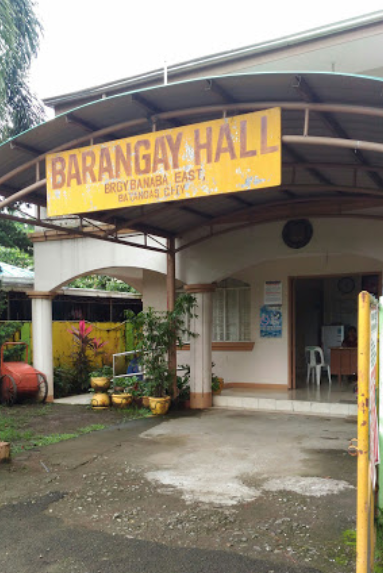
Other Information
Barangay History
Originally, all the existing barrio of Banaba were taken as one, and was named Banaba. The only distinction among the four geographical division were as follows: the western areas as “Kanlurang Pook”; the Southern part as “Magbabanig”; the Northern side as “Kaingin”; and the Eastern most part as “Pook ng Mestiza”; which is at present officially known as Banaba Silangan.
It was during the Commonwealth period that Banaba was divided and each geographical division was registered and given the official name: Pook ni Mestiza, being the eastern most side and part of Kaingin was named and registered as Banaba Silangan. This barrio is approximately six kilometers from the poblacion (Batangas City) and has an area of about 135.5 hectares
Tracing back the generation of families, it was found out that Cabezang Pablo, a family of macatangay, was the first settlers in the eastern area. It was said that the natives of this place paid their taxes to this man who was appointed head of the barangay during that time.
In the early days, courtship and marriage in this place could exist even without the knowledge and consent of the persons concerned. But marriage can only be planned and realized after granting valuable things or piece of land as dowry on the part of the male. With the influence of the different races who had settled in this place, and with the drastic changes of the times, these folkways and practices, were modified and changed.